Soft Sweet Sourdough Bread
Highlighted under: Cakes & Confections
I absolutely love baking bread, and this Soft Sweet Sourdough Bread has become a cherished favorite in my kitchen. The process may require some patience, but the resulting loaf is well worth the effort. Its soft, airy texture combined with the naturally sweet flavors of sourdough creates a delightful experience at any meal. I’ve found that the long fermentation not only enhances the flavor but also creates a beautiful crust that holds in moisture, making each slice perfect for toasting or enjoying fresh out of the oven.
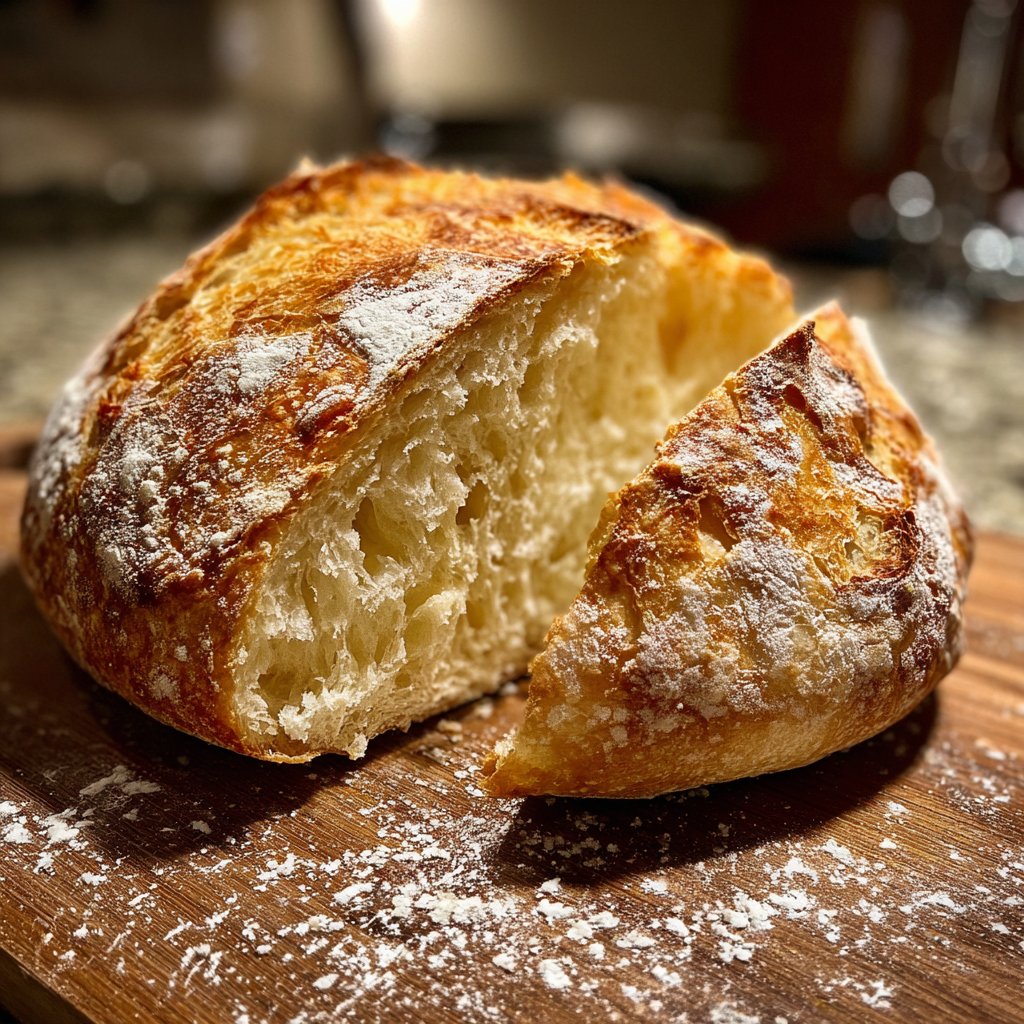
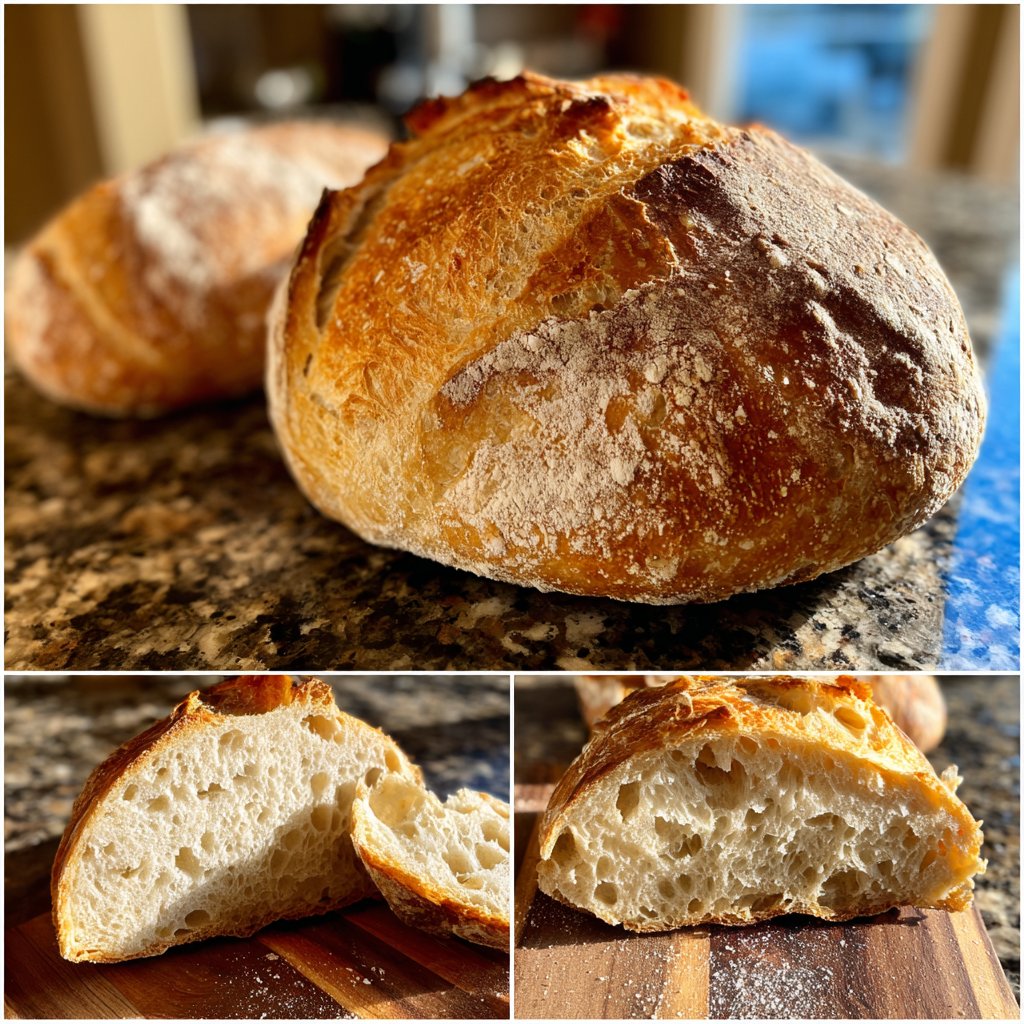
When I first attempted to make sourdough, I was a bit intimidated by the process, but the reward of creating my own starter changed everything. After several trials, I've learned that letting the dough rest enhances its flavor and structure. I particularly enjoy shaping the dough using the stretch-and-fold technique, which really helps develop gluten without too much work.
One time, I decided to add a touch of honey for sweetness, and it transformed the flavor profile beautifully. The gentle sweetness perfectly complements the sour notes from the fermentation. Since then, I always include it for that extra layer of deliciousness!
Why You Will Love This Recipe
- Irresistibly soft and fluffy texture
- Wonderful balance of sweetness and tang
- Perfect for sandwiches or as a stand-alone treat
Understanding the Fermentation Process
The fermentation stage is crucial for developing the unique flavor profile of this Soft Sweet Sourdough Bread. During the initial rise, the natural yeast and bacteria in the sourdough starter work to create carbon dioxide bubbles, which leaven the dough and create that airy texture. Allowing the dough to rise for 6-8 hours at room temperature maximizes these fermentation benefits, resulting in a complex flavor that balances sweetness with subtle tang.
If you're short on time, you can expedite the fermentation by placing the dough in a slightly warmer location, around 24-26°C (75-80°F). This can reduce the rising time to approximately 4-5 hours, but be mindful that overly warm conditions can lead to loss of flavor and structure, so monitor closely. Ultimately, the longer fermentation is worth it for the taste and texture.
Mastering Dough Shaping Techniques
Shaping the dough is not just a matter of aesthetics; it plays a significant role in the final bread's texture. When you gently deflate the risen dough, aim to preserve as many of the air bubbles as possible to maintain the light and airy crumb structure. Use a bench scraper to help you turn the dough onto a floured surface, making it easier to handle without overworking it.
Once shaped into a round loaf, placing it seam-side down in a well-floured proofing basket not only helps it hold its shape but also encourages that lovely dome. If you don’t have a proofing basket, a bowl lined with a clean kitchen towel dusted with flour works just as well. Remember to allow for the second rise that will make the bread puffy and ready for baking.
Baking and Cooling for Optimal Results
Preheating the oven to the right temperature is crucial for achieving that golden-brown crust. A temperature of 220°C (428°F) ensures the exterior bakes quickly while trapping moisture inside, resulting in a tender crumb. If you notice that the crust is browning too quickly, you can tent the loaf with aluminum foil during the final baking period to prevent burning while allowing it to bake through.
After baking, patience is key! Allow the bread to cool completely on a wire rack before slicing. This cooling process allows steam to escape and firms up the crumb structure, ensuring that your slices are soft but not gummy. A well-cooled loaf will slice beautifully and be perfect for sandwiches or toasting.
Ingredients
Gather these ingredients to create your Soft Sweet Sourdough Bread:
Ingredients
- 500g bread flour
- 300ml water, lukewarm
- 100g sourdough starter, active
- 50g honey
- 10g salt
Instructions
Here's how to make your own Soft Sweet Sourdough Bread:
Mixing the Dough
In a large mixing bowl, combine the bread flour and salt. In a separate bowl, mix the lukewarm water, sourdough starter, and honey. Gradually add the wet mixture to the flour, mixing until a shaggy dough forms.
Kneading
Transfer the dough onto a lightly floured surface and knead for about 10 minutes until smooth and elastic. Alternatively, you can use the stretch and fold method.
First Rise
Place the dough in a lightly greased bowl, cover it with a damp cloth, and let it rise at room temperature for about 6-8 hours or until doubled in size.
Shaping
Once risen, gently deflate the dough and shape it into a round loaf. Place it seam-side down in a well-floured proofing basket.
Second Rise
Cover the shaped loaf with a cloth and let it rise for another 1-2 hours until puffy.
Baking
Preheat your oven to 220°C (428°F). Carefully transfer the risen loaf onto a baking sheet lined with parchment paper. Bake for about 40-45 minutes or until the crust is golden brown and the bread sounds hollow when tapped.
Cooling
Let the bread cool completely on a wire rack before slicing to preserve its texture.
Pro Tips
- For an extra crusty loaf, place a pan of water in the oven while baking to create steam.
Storage Tips
To keep your Soft Sweet Sourdough Bread fresh, store it at room temperature in a paper bag, which allows airflow and helps maintain the crust's integrity. Avoid plastic bags as they can trap moisture and lead to a soggy crust. If you find that you have leftover bread, consider slicing it for easy toasting or sandwich making throughout the week.
For longer storage, homemade sourdough bread can be frozen. After completely cooling, wrap it tightly in plastic wrap followed by aluminum foil, or place it in a freezer-safe bag. This method maintains both moisture and flavor, allowing you to enjoy your bread for up to three months. When you're ready to enjoy, simply thaw at room temperature or reheat in the oven for a few minutes.
Flavor Variations and Add-ins
While this recipe is a delightful base, you can experiment with flavor variations by adding herbs or spices. Consider incorporating a teaspoon of dried rosemary or thyme into the flour mixture for an herby twist, or cinnamon for a subtle sweetness that complements the honey. If you prefer something heartier, adding nuts like walnuts or seeds can contribute flavor and texture, transforming your sourdough experience.
Dried fruits such as cranberries or raisins can also be an interesting option, adding bursts of sweetness to each slice. Mix in around 100g of your chosen ingredient during the kneading stage to ensure even distribution without compromising the dough's structure.
Questions About Recipes
→ How long does it take to ferment the sourdough starter?
It usually takes about 5-7 days to get an active sourdough starter from scratch.
→ Can I use all-purpose flour instead of bread flour?
Yes, but the texture might be slightly different; bread flour gives a chewier result.
→ What can I do if my dough feels too sticky?
Try adding a little more flour during kneading, but be careful not to add too much as it may affect the final texture.
→ How do I store the bread after baking?
Keep it in a bread bag or wrap it tightly in plastic wrap to maintain freshness.
Soft Sweet Sourdough Bread
Created by: Freya Cooper
Recipe Type: Cakes & Confections
Skill Level: Intermediate
Final Quantity: 1 loaf
What You'll Need
Ingredients
- 500g bread flour
- 300ml water, lukewarm
- 100g sourdough starter, active
- 50g honey
- 10g salt
How-To Steps
In a large mixing bowl, combine the bread flour and salt. In a separate bowl, mix the lukewarm water, sourdough starter, and honey. Gradually add the wet mixture to the flour, mixing until a shaggy dough forms.
Transfer the dough onto a lightly floured surface and knead for about 10 minutes until smooth and elastic. Alternatively, you can use the stretch and fold method.
Place the dough in a lightly greased bowl, cover it with a damp cloth, and let it rise at room temperature for about 6-8 hours or until doubled in size.
Once risen, gently deflate the dough and shape it into a round loaf. Place it seam-side down in a well-floured proofing basket.
Cover the shaped loaf with a cloth and let it rise for another 1-2 hours until puffy.
Preheat your oven to 220°C (428°F). Carefully transfer the risen loaf onto a baking sheet lined with parchment paper. Bake for about 40-45 minutes or until the crust is golden brown and the bread sounds hollow when tapped.
Let the bread cool completely on a wire rack before slicing to preserve its texture.
Extra Tips
- For an extra crusty loaf, place a pan of water in the oven while baking to create steam.
Nutritional Breakdown (Per Serving)
- Calories: 200 kcal
- Total Fat: 2g
- Saturated Fat: 0g
- Cholesterol: 0mg
- Sodium: 10mg
- Total Carbohydrates: 42g
- Dietary Fiber: 2g
- Sugars: 3g
- Protein: 6g